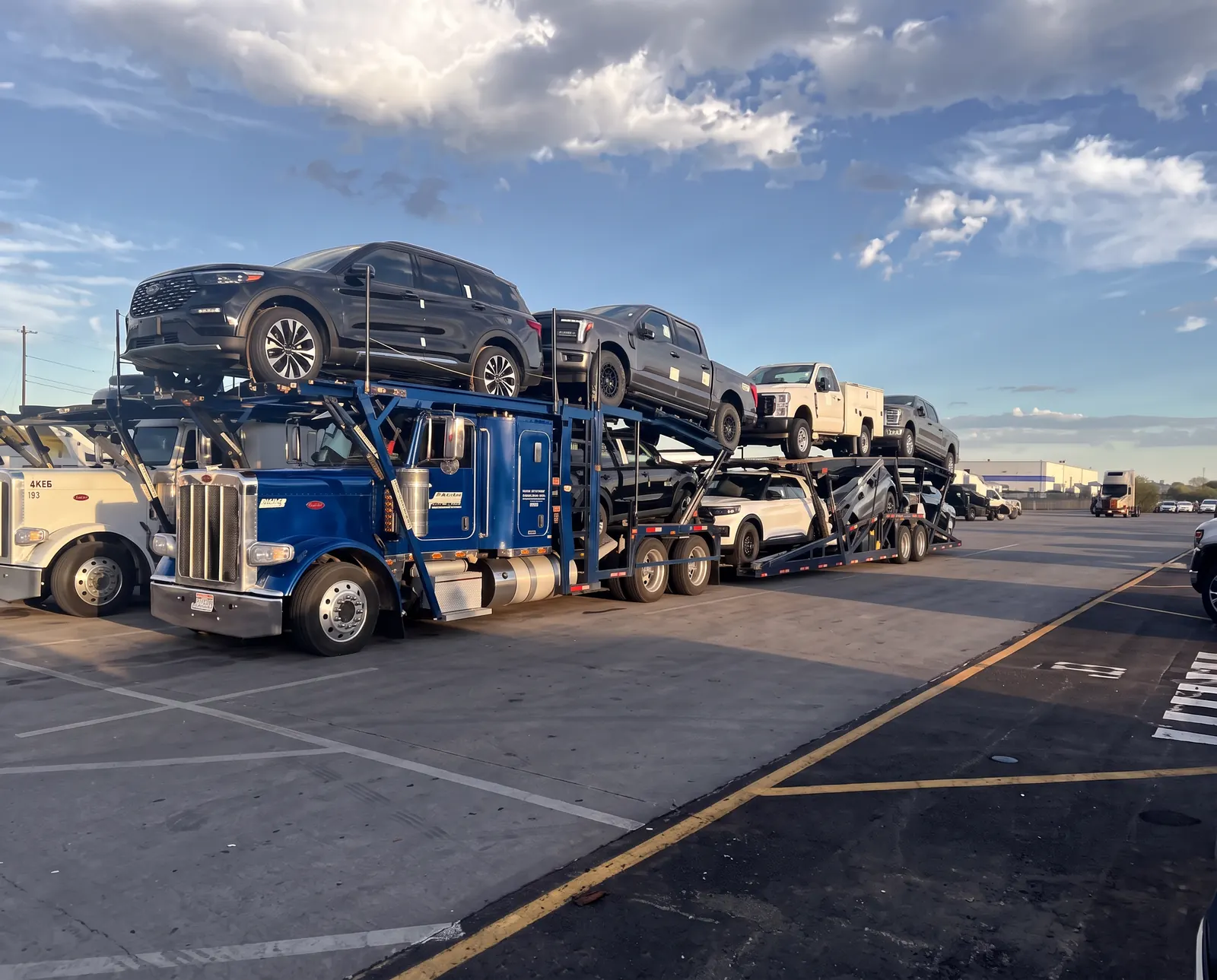
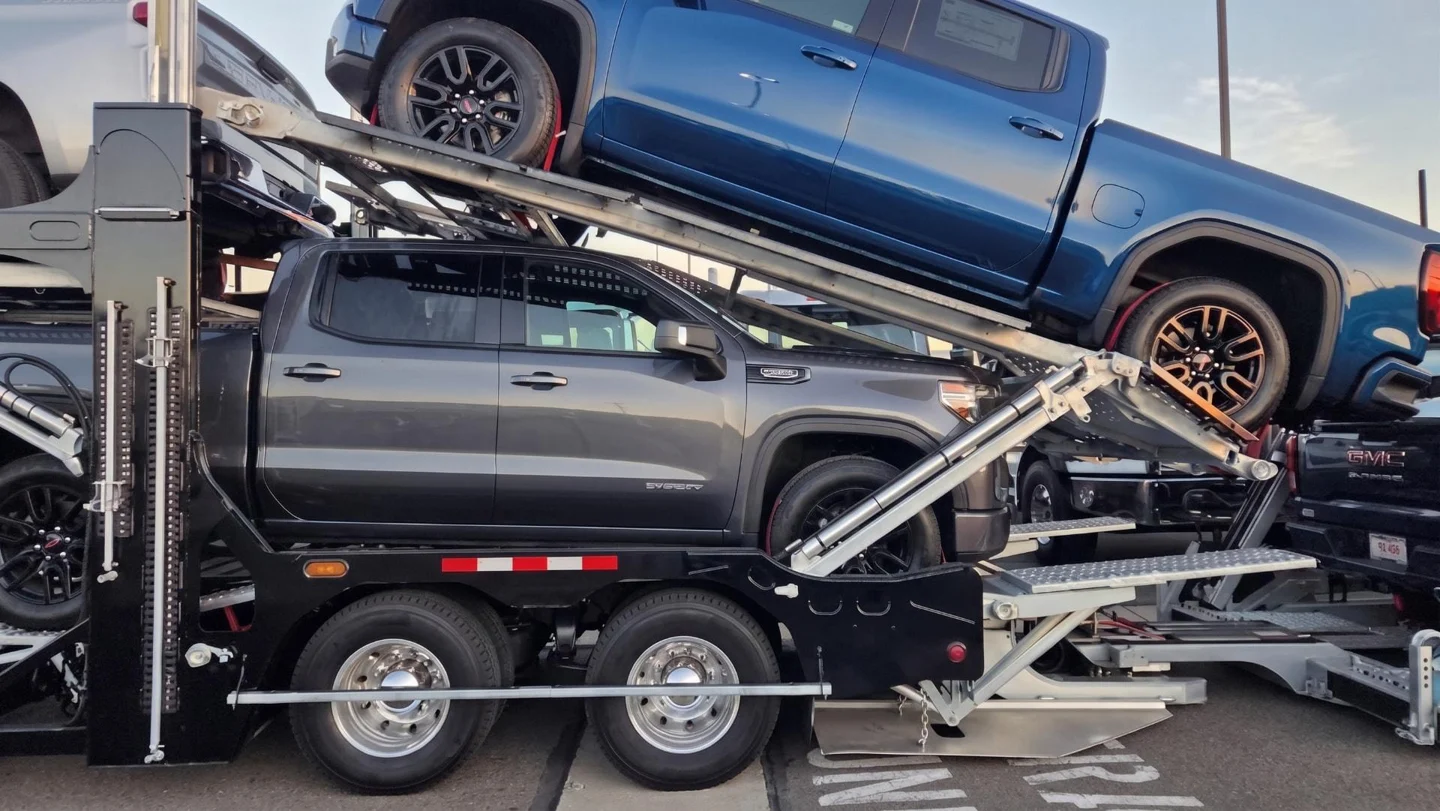
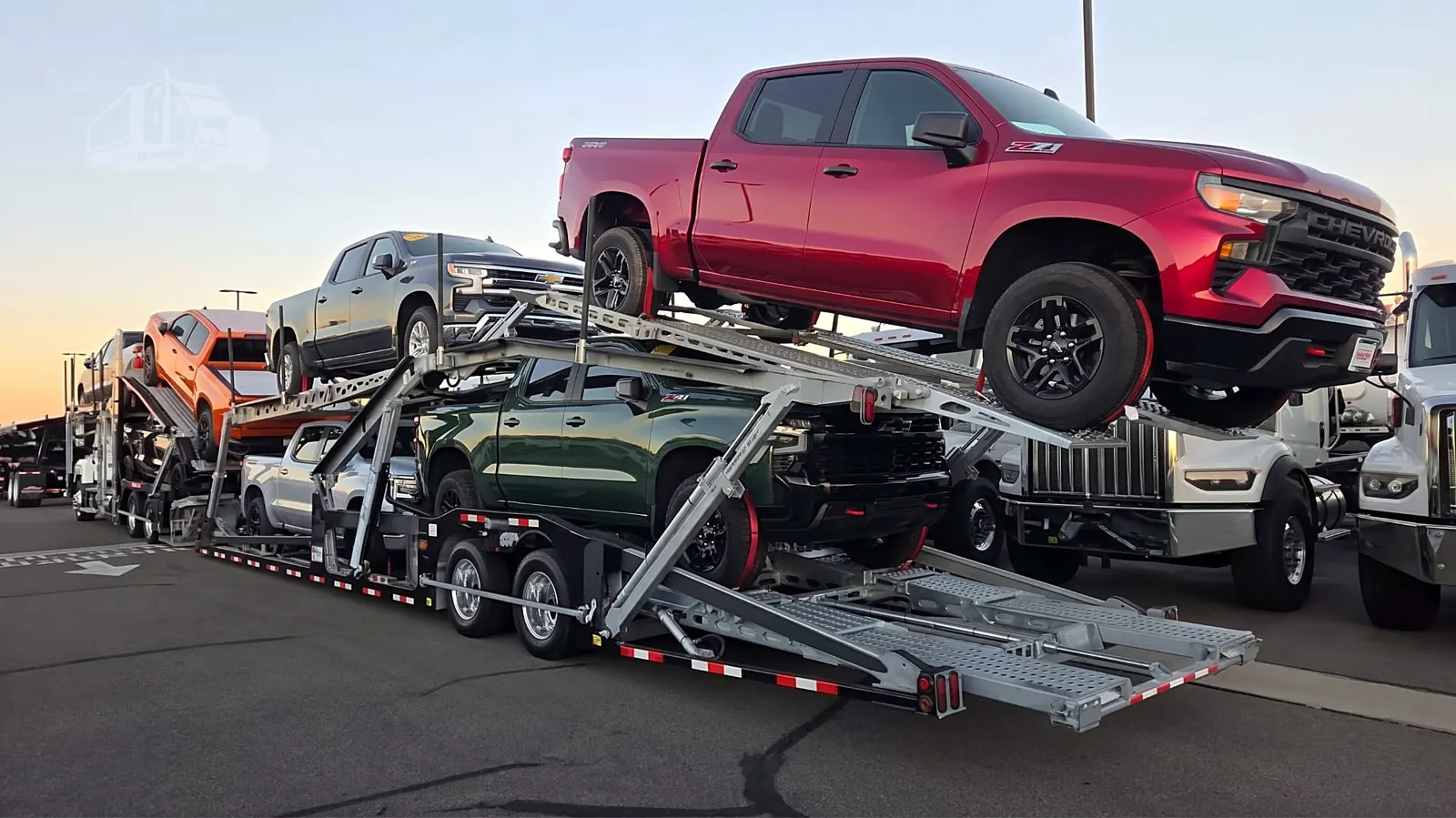
“Inoperable” is not a complete loading description. Tell your broker what the vehicle can—and cannot—do.
Why a vague condition note gets expensive
Two non-running vehicles can require very different transport plans. One may roll, steer, and brake with an intact chassis. Another may have locked wheels, missing suspension, or damage that prevents safe loading onto standard equipment. Calling both ‘inoperable’ leaves the carrier guessing.
The mismatch often appears only when the driver reaches the yard. A failed pickup can mean another dispatch, more waiting, and a revised quote. Accurate condition information protects the plan before a truck is committed.
Describe function, not just damage
Use the auction’s condition report as a starting point, then confirm what is known with the location. If something cannot be verified, say so. A broker can plan around an unknown; a confident but incorrect description is harder to recover from.
- Does it start and move under its own power?
- Does it roll freely, steer, and brake?
- Are the keys present and the wheels and tires intact?
- Is there underbody, suspension, or structural damage?
- Are there loose parts, leaks, or access restrictions?
- What loading assistance does the yard actually provide?
Separate yard assistance from carrier capability
A facility offering loading assistance does not automatically make every carrier suitable. Confirm the assistance available, its operating hours, and whether it applies to your specific vehicle. The delivery site also needs a workable unloading plan.
Share clear condition photographs when available, along with the lot number and vehicle dimensions. Ask your broker to confirm suitable equipment and any special handling before finalizing the move. Loading methods and acceptance depend on the vehicle, site, and carrier.
Keep the agreed scope in writing
The final terms should reflect the condition disclosed, the pickup and delivery arrangements, and any agreed handling charges. If the condition changes or new information appears, tell your broker before collection. A plan for a rolling non-runner may not work for a vehicle with seized wheels.
Our quote request gives you a starting point for that conversation. A broker reviews the move and confirms the terms with you before anything is booked. A form submission alone does not confirm equipment or pickup.
Document condition without confusing it with coverage
Keep the auction report, available pickup photographs, and delivery documentation. At receipt, check the VIN and record visible differences promptly. Photographs support a record; they do not by themselves establish coverage or an arbitration right.
If you intend to raise a condition issue, follow the applicable auction rules and deadlines and discuss any transport-related concern with your broker. Eligibility depends on the sale, policy, and facts of the move.
General planning guidance only. Loading equipment, carrier acceptance and handling depend on the disclosed condition and site, and photographs do not by themselves establish coverage or arbitration rights.