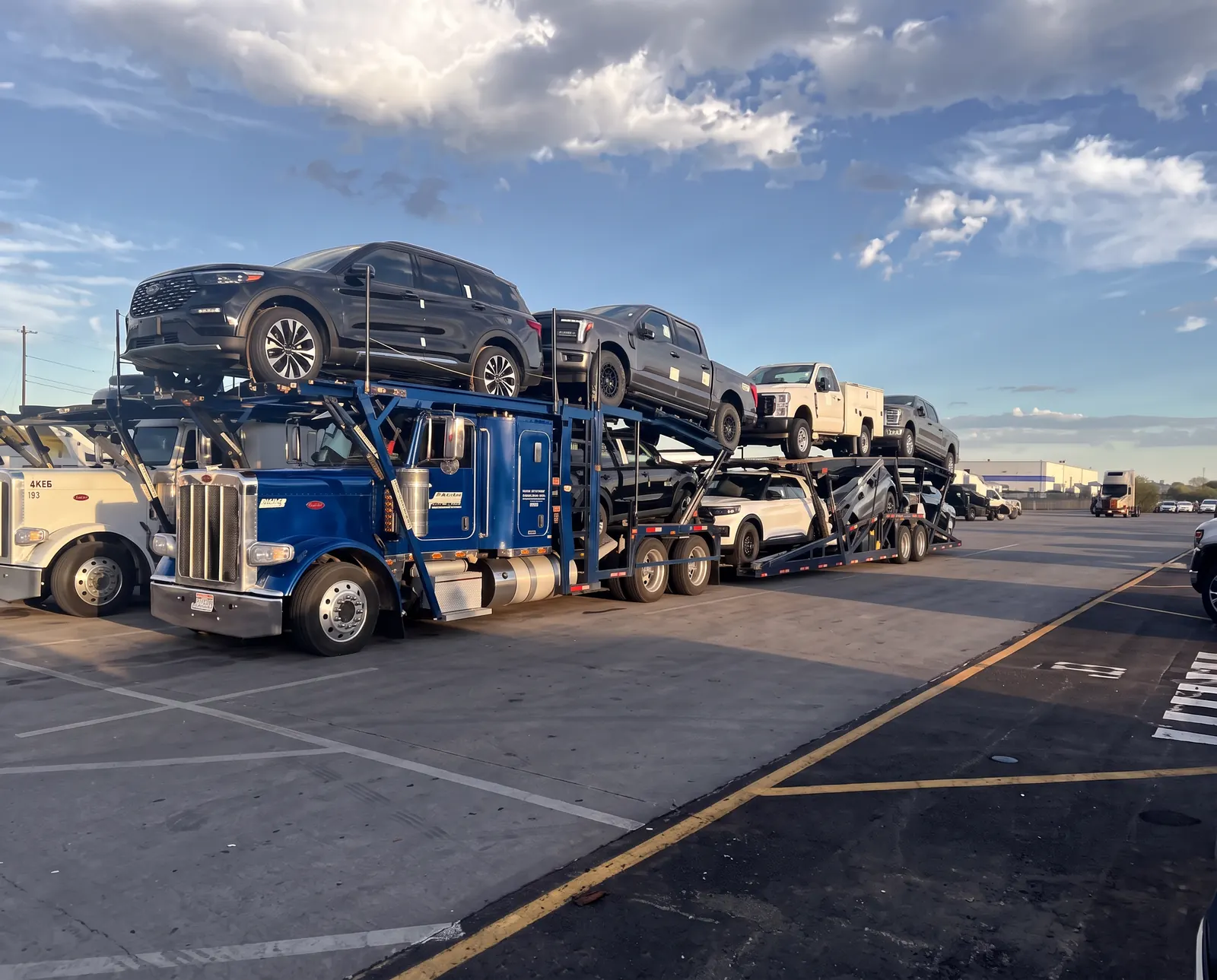
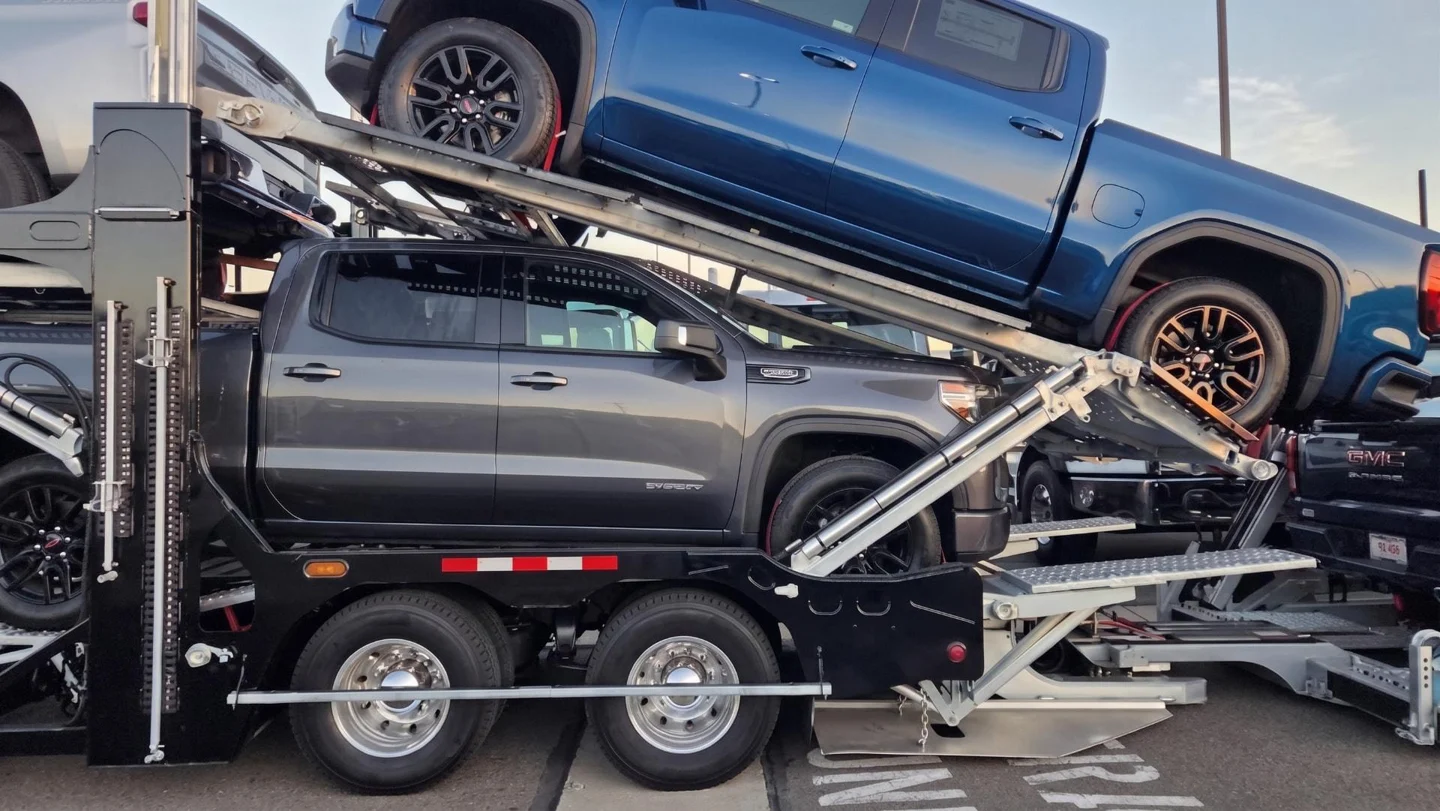
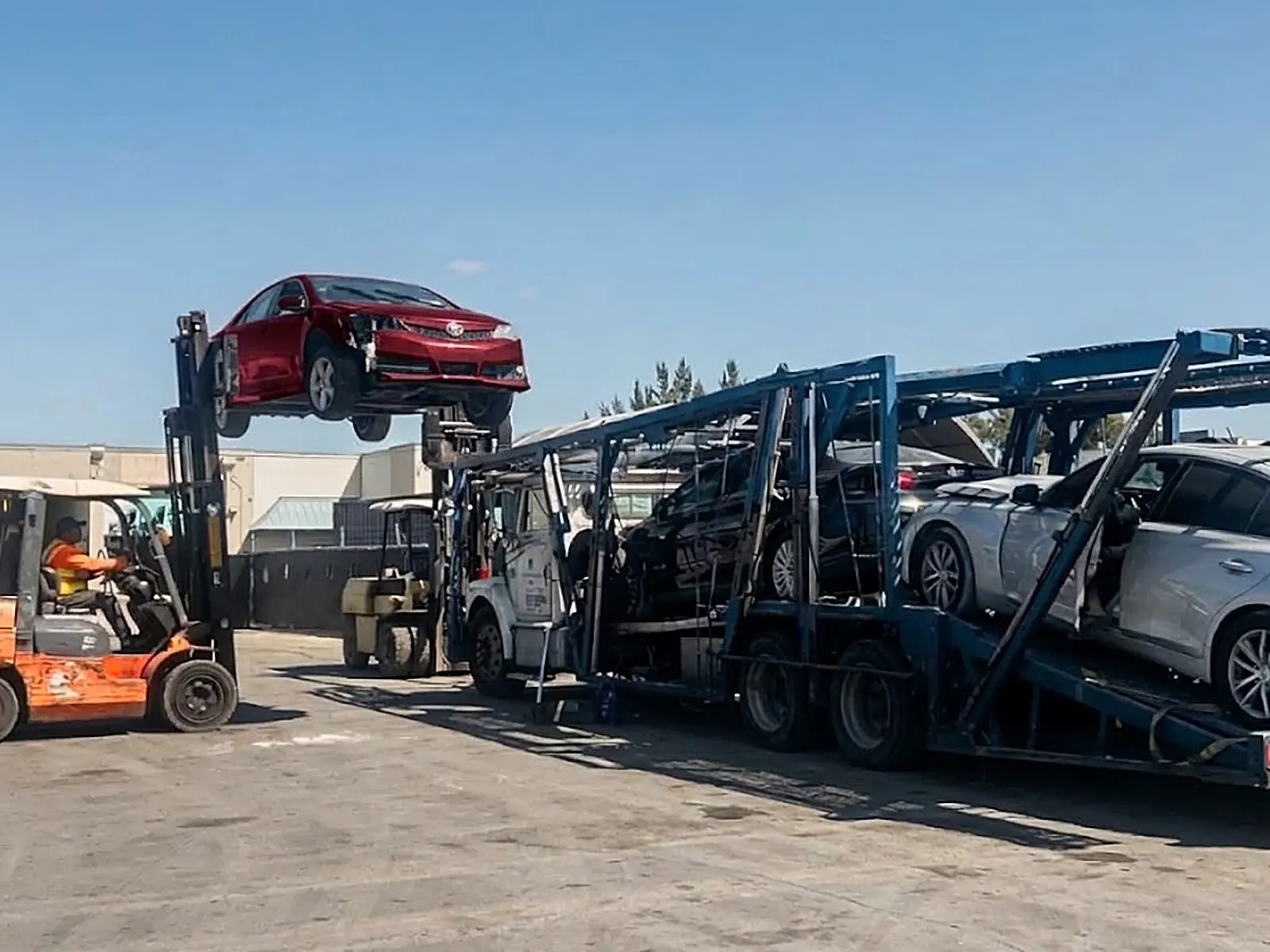
A fleet plan becomes manageable when every VIN has a destination, a readiness date, and an owner for the handoff.
Volume exposes small information gaps
One missing key is an exception. Across a batch of vehicles, missing keys, incomplete addresses, and unclear receiving hours become a coordination problem. A single headline saying ‘ten vehicles ready’ can hide very different conditions and deadlines.
Build the move around the units actually ready for collection. Separating ready, pending-release, and exception vehicles prevents a small delay from silently holding up the entire batch.
Make one useful movement list
Give each VIN its own row and use consistent location names. Keep commercial details and personal information limited to what is necessary for the move. Version the list when it changes so your broker and receiving team are not working from different instructions.
- VIN and vehicle year, make, and model
- Pickup site and named release contact
- Readiness date and condition or equipment exceptions
- Delivery site, receiving contact, and access hours
- Priority: fixed deadline or flexible window
- Current status and the person responsible for the next action
Plan the receiving lot—not only the truck
A full load arriving at a lot without space or staff is not an efficient delivery. Confirm clearance, turning space, unloading access, and who can sign for each vehicle. If your sites have different restrictions, give those details before your broker builds the routing plan.
Ask whether deliveries should be grouped or phased. A phased plan can align with available lot space and your reconditioning schedule, while consolidation can be appropriate for compatible routes and flexible dates. The right choice depends on the actual shipment, not a universal rule.
Use one agreed status vocabulary
‘Booked,’ ‘assigned,’ and ‘picked up’ are different milestones. Agree on what each status means and distinguish a planned window from a completed event. Keep exceptions explicit: awaiting release, unavailable receiver, or changed condition should trigger a decision rather than another vague follow-up.
With ZipBroker, a broker confirms the terms with you before anything is booked. For a multi-unit move, confirm how the vehicles and any split deliveries will be handled before authorization.
Measure the handoff that matters
Track purchase-to-ready, ready-to-pickup, and pickup-to-receipt separately. That helps you see whether a delay came from release, transport, or site readiness. Reconcile the VIN list with delivery records and flag missing units or exceptions immediately.
A useful fleet process is not more notifications. It is a clear list, realistic windows, and a named next action for every exception. Bring that information to your broker early and your team spends less time reconstructing the move later.
General planning guidance only. Terms, pickup windows and delivery timing for multi-vehicle moves depend on each vehicle’s readiness, routing and receiving sites; confirm them with your broker before authorization.